K-Culture World

Food · 2026. 8. 1.

The Charm of Korean Dessert Culture and How to Enjoy It

BY 김민중

The Charm of Korean Dessert Culture and How to Enjoy It

The History and Modern Evolution of Korean Dessert Culture

Korean dessert culture originated from traditional confections once enjoyed by the royal court and the noble class, evolving into unique snacks that are now gaining global attention. Traditionally, Koreans emphasized natural sweetness by utilizing seasonal ingredients.

Characteristics of Traditional Confections

Traditional confections are typically made by steaming rice flour, deep-frying, or garnishing with honey and nuts. The focus is on highlighting the natural nuttiness of grains and the sweetness of fruits rather than using artificial sweeteners.

  • Tteok (Rice Cakes): Korea's signature snack made primarily from rice, either steamed or pounded.
  • Hangwa (Traditional Sweets): Confectionery made by mixing grains and honey, such as Yakgwa or Yugwa.
  • Sikhye and Sujeonggwa: Traditional beverages brewed from grains or cinnamon.

Evolution into Modern Desserts

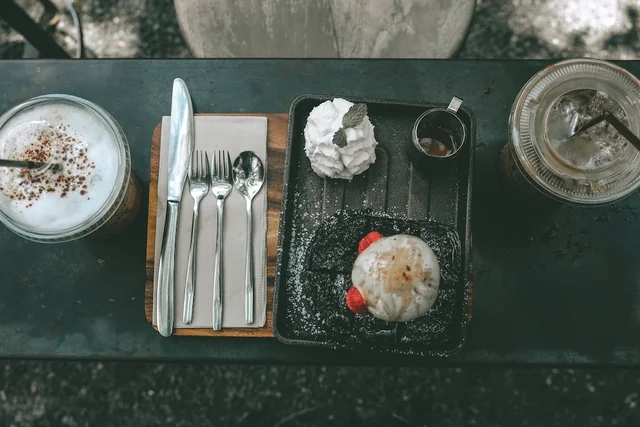
Recently, the 'Halminial' (Grandma + Millennial) trend has taken hold, where these traditional ingredients are incorporated into Western-style baked goods like croffles, macarons, and cakes. Examples include lattes and ice creams flavored with black sesame, injeolmi (roasted soybean powder), or mugwort. This shift sheds the stuffiness of tradition and offers a fresh gastronomic experience for both the younger generation and international visitors. In Korea, where cafe culture is highly developed, you can easily find various snacks that satisfy both visual appeal and taste.
3 Must-Try Desserts When Traveling in Korea

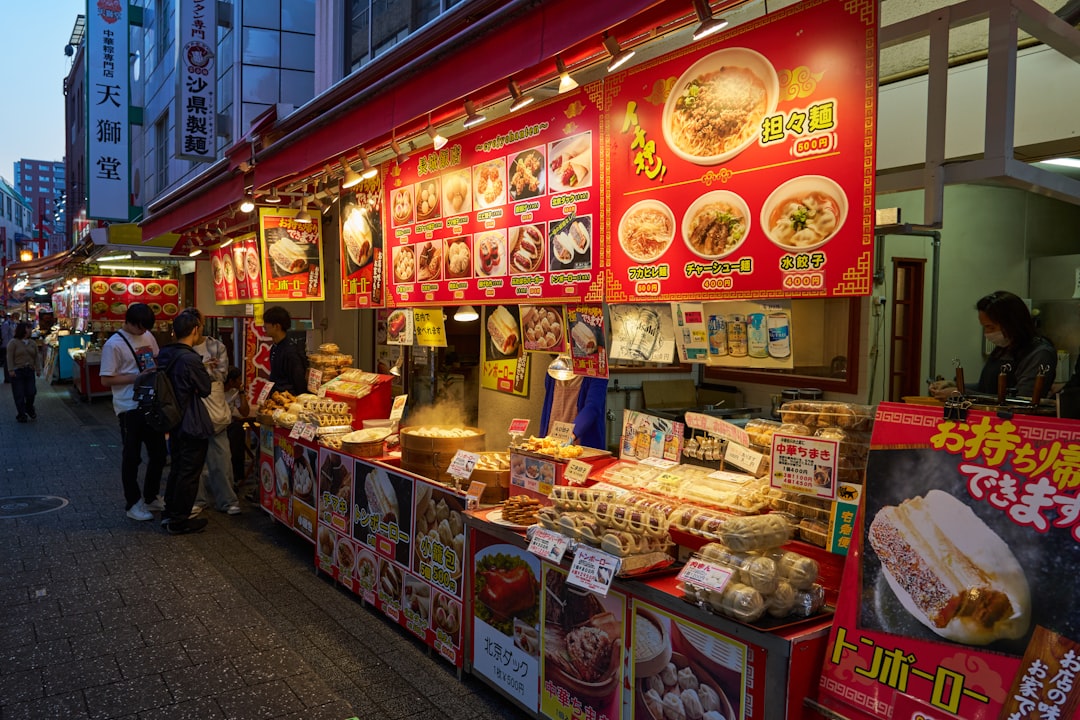
When visiting Korea, you will encounter a wide variety of snacks on every street corner. Here are three highly popular menus that feature strong Korean characteristics.

The Peak of Street Snacks: Bungeoppang and Hotteok

Walking the streets of Korea in winter, you can easily find the sweet aroma of Bungeoppang and Hotteok. Bungeoppang is a fish-shaped pastry filled with red bean paste or custard, while Hotteok is a pancake filled with sugar and nuts, fried in oil.

The Luxurious Taste of Bingsu

Bingsu is a Korean shaved ice dessert topped with red beans, injeolmi, fruits, and nuts. Milk bingsu, made with finely shaved milk ice, is particularly beloved for its soft texture and is considered a summer essential.

Yakgwa and Hangwa

Yakgwa is a fried cookie made by mixing flour with sesame oil, honey, and rice wine, then soaking it in grain syrup. Due to its chewy texture and deep sweetness, many brands have recently released modern reinterpretations of this treat. Hangwa is also a popular gift during holidays and pairs perfectly with tea.

Essential Travel Items

SHOP THE LOOK: Korean Snack Meal Kits

Tips for Enjoying Desserts Even More

Here are some tips to help you get the most out of your visits to Korean cafes and dessert shops. In Korea, cafes are more than just resting spots; they are hubs of gastronomy.

Pairing with Beverages

When eating sweet snacks, it is recommended to pair them with a bitter drink. Traditional Korean teas like green tea or buckwheat tea neutralize the sweetness and enhance the flavor of the snacks. Recently, the culture of enjoying sweet desserts with an Americano has also become well-established.

Precautions for Cafe Hopping

  • Popular cafes can be very crowded on weekends, so visiting on weekdays is recommended.
  • Most cafes use kiosks or apps for ordering, so learning basic Korean menu names can be helpful.
  • Searching for cafes with signature menus in advance will help ensure a satisfying experience.

Choosing Seasonal Ingredient Menus

Korea has four distinct seasons, each with its own variety of fruits. Menus featuring strawberries in winter or watermelon and peaches in summer are released as seasonal specials. Choosing desserts made with seasonal fruits ensures you enjoy them at their freshest and most delicious state.

Korean Cafe Goods

SHOP THE LOOK: Korean Cafe Goods

Frequently Asked Questions

What is a dessert, and what kinds are famous in Korea?+

A dessert is a sweet food enjoyed after a meal. In Korea, traditional rice cakes and Yakgwa are famous, as well as modern treats like black sesame cake, milk bingsu, and Hotteok. Recently, fusion snacks using traditional ingredients have become very popular, and thanks to the development of cafe culture, you can easily find visually stunning menus everywhere.

Where do you recommend going for a Korean dessert tour?+

If you are planning a Korean dessert tour, I recommend visiting Insadong or Bukchon Hanok Village in Seoul to first experience traditional confections. Afterward, visiting cafe streets in trendy neighborhoods like Seongsu-dong or Yeonnam-dong will allow you to taste creatively reinterpreted modern snacks.

What is the difference between traditional and modern desserts?+

Traditional desserts mainly use rice and grains, employing steaming or frying methods to emphasize natural sweetness. Modern desserts, however, incorporate traditional ingredients like mugwort, injeolmi, and black sesame into Western baking techniques to diversify textures and aromas. Recently, both styles coexist harmoniously.

Share

Show us your style! Share with #kcultureworld on Instagram & TikTok.

About the author

김민중

Writes practical guides to Korean beauty and food for overseas readers — Olive Young, convenience stores, and how-to tips.

More from 김민중

Related Posts

How to Make Delicious Bibimbap and Understand Korean Traditional Food Culture

Food · 08/01/26

How to Make Delicious Bibimbap and Understand Korean Traditional Food Culture

Bibimbap is a representative traditional Korean dish, a healthy meal consisting of rice topped with various seasoned vegetables, meat, and gochujang. This guide covers the origins of Bibimbap, key steps for preparation, and regional variations to help you recreate authentic Korean flavors at home.

Comments

No sign-up or login required.

No comments yet. Be the first to comment.