Why Korean Street Food Culture is Special
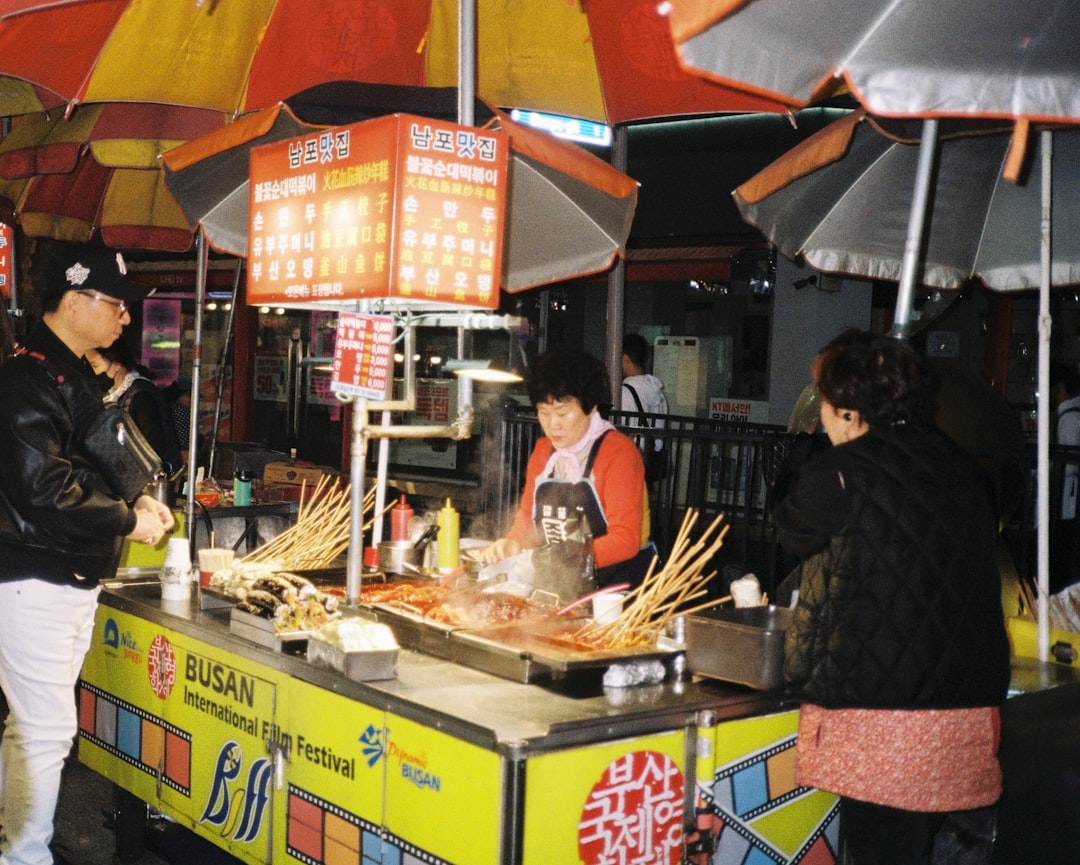
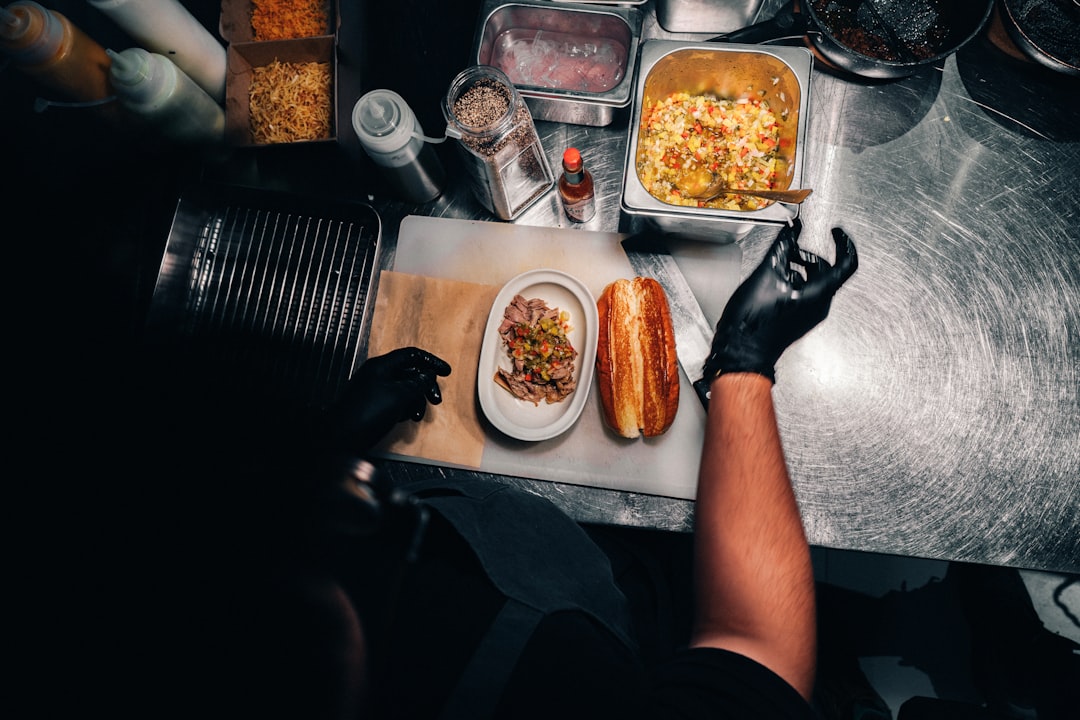
Street food is an essential part of any trip to Korea, acting as a gateway to experience diverse ingredients and cooking methods in a short amount of time. The street vendor culture, which began in traditional markets, continues to evolve today by incorporating sophisticated fusion menus.
Characteristics of Major Street Food Items
- Tteokbokki: A quintessential K-food featuring chewy rice cakes in a spicy and sweet gochujang-based sauce.
- Eomuk (Fish Cake): Minced fish shaped into cakes, served on skewers in a warm, savory broth; a popular choice during winter.
- Hotteok: A sweet snack made by filling dough with sugar and nuts, then pan-frying it until golden and crispy.
The Heart of Korean Food Culture
Korean street food culture goes beyond just satisfying hunger; it is a way to communicate with others and taste local specialties. Especially in Seoul’s traditional markets or around university districts, you can enjoy a hearty meal or unique snacks at affordable prices. Recently, with an increased focus on hygiene, more vendors are prioritizing transparent cooking processes and clean packaging, allowing tourists to enjoy these treats with peace of mind. I encourage you to sample a variety of small portions to build your own unique culinary experience in Korea.